Fumigation: A Timeless Handwritten Typeface for Creative Makers
There is a quiet, satisfying moment when a new font arrives and you immediately start picturing it on a half-finished product sitting on your worktable. The other day, I was testing a fresh batch of soy candle labels, and the default text I had been using just felt too stiff. I opened Fumigation, typed the candle scent name, and suddenly the whole label idea shifted. That one decision turned a simple label into something that looked intentionally designed, with a warmth that matched the wax and the wick and the whole cozy mood I was trying to create.
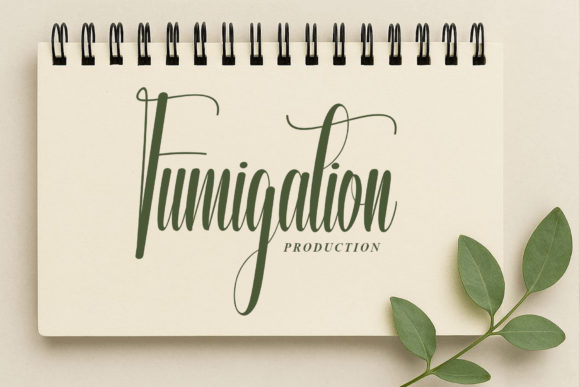
Fumigation is a lovely and timeless handwritten font that carries a gentle, flowing personality. It does not feel overly formal or rigid, yet it holds a natural elegance that makes it versatile for a wide range of handmade products. The letterforms have a soft, organic rhythm, with subtle variations in stroke weight and a touch of hand-drawn imperfection that feels genuinely personal. When you look at a word written in Fumigation, you notice the small details—the slight curl of a descender, the easy slope of an ascender, the way certain letters connect almost as if they were written with a favorite pen on textured paper. This is the kind of typeface that makes a single word feel like a design element all on its own.
Why Handmade Products Need a Font Like Fumigation
For anyone selling physical goods or digital downloads, typography is often the quiet workhorse of a product’s identity. A font can set the emotional tone before a customer even reads the words. With Fumigation, that tone is warm, approachable, and carefully crafted. I have found it works especially well for product categories where the connection between maker and buyer is personal—things like handmade soaps, small-batch candles, wedding invitation suites, and printable wall art that people hang in their homes.
The font’s visual personality is both romantic and steady. It does not lean too far into swooping calligraphy or become so casual that it loses its polish. Instead, it lives in a sweet spot that feels genuine and approachable. When I used Fumigation on a set of kraft paper tags for a boutique clothing line, the names of the garments looked as though they had been hand-lettered by someone with a steady, practiced hand. That kind of perceived quality matters when you are trying to build a brand around handmade goods.
The Emotional Pull of a Well-Chosen Script Font
Typography does more than communicate information—it communicates feeling. In the world of handmade products and small shops, customers often buy because they feel a connection to the maker or the story behind the item. A handwritten font like Fumigation can heighten that emotional appeal. The human touch implied by the letterforms suggests care, time, and attention to detail, which are exactly the values many crafters want to express.
When I design printable wall art, I look for fonts that will make a phrase feel like a keepsake. Fumigation has that quality. A simple line like “home is wherever we are together” set in this typeface looks intentional and heartfelt, almost like a custom piece of hand-lettering. That same emotional thread carries through to wedding welcome boards, seating charts, or even the header of a digital download template. The font helps the final product feel less like a commodity and more like a small piece of artistry.
Real-World Product Applications for Makers and Sellers
The beauty of a script font like Fumigation is that it can adapt to so many different surfaces and materials. I have tested it on everything from glossy sticker paper to textured linen cardstock, and the results consistently feel premium. Here are some of the most natural fits I have found for this typeface in a maker’s workflow.
Greeting Cards and Invitations: Whether you are designing a birthday card, a baby shower invitation, or a wedding suite, Fumigation adds a personal, celebratory feel. It works beautifully for the names of the couple, the event title, or a short heartfelt message on the front. When paired with a clean sans serif for the details, the contrast is elegant and easy to read.
Product Labels and Packaging: For candle labels, lip balm tubes, honey jars, or soap boxes, Fumigation gives the product name a distinct, boutique feel. I have used it on clear sticker labels for glass jars, and the handwritten style made the whole package look like it came from a high-end market stall. The font’s unique letter shapes keep the label from looking generic, which is essential when you are competing in a crowded handmade space.
Printable Wall Art and Digital Downloads: This is where Fumigation truly shines. A short quote, a family name, or a meaningful word set in this font can become the centerpiece of a printable. I have designed mockups for nursery prints, kitchen signs, and even seasonal decor, and the font always brings a sense of warmth and authenticity. Because it is a display font at heart, it works best for larger, featured text rather than long paragraphs.
Stickers and Decals: When cut with a Cricut or Silhouette machine, the details in Fumigation require a bit of care. The font’s delicate connectors and fine hairlines can be tricky at very small sizes, so I recommend testing the cut settings on your specific material. For stickers that are at least two inches wide, the font cuts cleanly and retains its charm. I have used it for name stickers, laptop decals, and planner accents, and it feels especially suited for feminine, bohemian, or romantic styles.
Apparel and Tote Bags: A single word or short phrase in Fumigation can turn a simple tote bag or t-shirt into something special. When designing heat-transfer vinyl, I increase the font size to keep the thin strokes from becoming too fragile. The result is a soft, hand-drawn look that feels more personal than a standard blocky typeface.
Designing with Fumigation: Sizing, Readability, and Production Tips
Like any handwritten script font, Fumigation has a personality that works best when you give it room to breathe. I have learned through trial and error that it is most effective for short phrases, names, titles, and decorative wording. It is not suited for long blocks of body text, but that is not its purpose. This is a display font meant to draw the eye and create a focal point.
For printed materials like cards or labels, I keep the font size above 14 points to preserve the delicate details. On mockups and listing images, I often use it for the product name or a key descriptive word, which helps the typography feel like part of the product’s branding rather than an afterthought. When I am preparing a design for a cutting machine, I always weld the letters in my software to avoid tiny pieces that might tear or misalign during transfer. The extra step is worth it for the final result.
When I am building a product line, I also consider how the font will look across different materials. Uncoated paper absorbs ink differently than glossy vinyl, and the same font size can feel heavier or lighter depending on the surface. Fumigation holds up well on both, but I always print a small test before committing to a full batch of labels or tags. This kind of testing is part of the craft, and it ensures that the final product matches the vision.
Font Pairing and Creative Flexibility
One of the most enjoyable parts of using Fumigation is finding the right companion font to balance it. Because Fumigation is so expressive, I often pair it with a clean sans serif font for supporting text. A simple, slightly condensed sans serif lets the script font take center stage while keeping the overall design legible. For wedding stationery, a light serif font can add a classic, editorial feel that complements the handwritten warmth without competing with it.
I have also experimented with pairing Fumigation with a bold display font for contrast on signage and t-shirt designs. The combination of a strong, structured typeface with the flowing script creates a dynamic tension that feels modern and intentional. The key is to let Fumigation handle the most important words—the name, the headline, the emotional hook—while the secondary font handles the practical information.
Fumigation includes stylistic alternates, ligatures, and swashes that can add even more variety to a design. When I am working on a piece that needs a little extra flourish, I explore the glyph panel to find special characters that elevate the wording. A swash on the first or last letter of a name can make the whole design feel custom-made. These small touches are what separate a good product from a great one.
Practical Considerations for Your Creative Business
Before you incorporate Fumigation into products you plan to sell, it is important to check the font’s licensing and technical specifications. Most importantly, confirm that the commercial font license covers your intended use, whether that is physical products, digital downloads, templates, or merchandise. The terms can vary, so reading the licensing information carefully is an essential step in protecting your business.
From a technical standpoint, Fumigation typically comes in formats that work with standard design software and cutting machine programs. I have used it in both desktop publishing and with my Silhouette software without any issues. The font often supports a wide range of languages, which is a bonus if you sell internationally or create designs for a diverse audience. Checking the included characters, weights, and file formats beforehand helps you plan your workflow and avoid surprises.
When you are building a brand identity around handmade products, the fonts you choose become part of your signature. Fumigation has a way of making even the simplest product look more thoughtfully designed. It brings a human touch to digital files and physical goods alike, and that is something no amount of marketing can easily replicate. Whether you are printing a thank-you card, uploading a new printable to your shop, or pressing a design onto a tote bag, a font like this helps you create products that feel memorable and real.
In the end, the best tools are the ones that make the creative process feel a little more joyful. Fumigation does that for me. I reach for it when I want the final product to feel intentional, warm, and beautifully personal—and more often than not, that is exactly the feeling I want every item in my shop to carry.